Mountain Stargazing: A Romantic Guide to Night Sky Views While Glamping
There is something deeply romantic about standing on a mountain ridge as the last traces of sunset fade into indigo and the first stars wink into existence overhead. One by one, then by the hundreds, then by the thousands — the night sky reveals itself in a way that most people never get to see from the city. This is mountain stargazing, and combined with glamping, it becomes one of the most magical experiences you can share with someone you love.
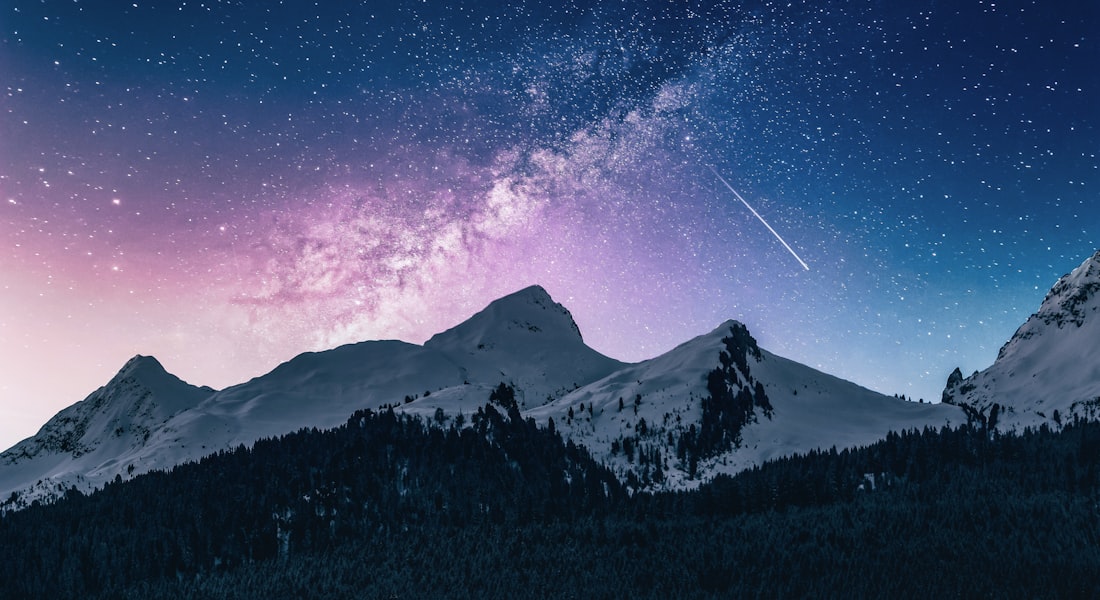
Far from city lights, at elevation where the air is thin and clear, the mountain night sky is a spectacle that words struggle to capture. The Milky Way stretches from horizon to horizon like a river of diamond dust. Shooting stars trace fleeting lines across the darkness. Planets glow with steady light while constellations tell stories that have guided travelers for millennia. This guide will show you how to experience all of this from the comfort of a luxury glamping setup.
Table of Contents
- Why Mountains Offer the Best Stargazing
- Creating a Romantic Stargazing Setup at Your Glampsite
- What You Can See in the Mountain Night Sky
- Best Mountain Ranges for Stargazing in the USA
- Planning Your Stargazing Glamping Trip
- Night Sky Photography Tips for Beginners
- Making It Romantic: Special Touches for Couples
- Frequently Asked Questions
Why Mountains Offer the Best Stargazing
Mountains are nature's observatories. Here is why high-altitude stargazing is in a league of its own:
- Thinner atmosphere: At 6,000 to 10,000 feet of elevation, you are looking through significantly less atmosphere than at sea level. Less air means less distortion, sharper stars, and more visible detail in the Milky Way.
- Zero light pollution: Mountain wilderness areas are often dozens or even hundreds of miles from the nearest town. The absence of artificial light reveals stars so numerous that even familiar constellations can be hard to pick out against the crowded backdrop.
- Unobstructed horizons: From a mountain vantage point, you get a true 360-degree panorama of the sky. Watch stars rise over one ridge and set behind another — the full celestial dome is yours.
- Cleaner, drier air: Mountain air holds less moisture and fewer particulates than lowland air. This clarity makes stars appear brighter and colors more distinct.
- The silence: At night in the mountains, the world goes quiet. No traffic, no city hum. Just the whisper of wind through pines and the vast, silent light show above.
Creating a Romantic Stargazing Setup at Your Glampsite
One of the beauties of glamping is that you do not have to rough it to enjoy nature's greatest show. Here is how to create the perfect stargazing setup:
Choose the Right Tent
For stargazing, a tent with large windows or transparent roof panels is ideal. Geodesic domes with clear panels are especially popular for night sky viewing. Some luxury glamping tents even feature skylights directly over the bed, so you can drift off to sleep under a canopy of stars. If your tent does not have windows, set up your viewing area just outside on a clear, flat spot.
Set Up a Comfortable Viewing Area
Create an outdoor lounge dedicated to sky watching. Bring out thick blankets, sheepskin throws, and plenty of pillows. Zero-gravity reclining chairs are perfect because they let you lie back and look straight up without straining your neck. For the ultimate experience, set up an inflatable lounger or even bring an outdoor daybed if your glampsite has the space.
Lighting Matters
Use dim, warm lighting around your camp — and only red light for stargazing. White light ruins night vision and takes 20-30 minutes to recover from. String warm fairy lights around your tent for ambiance, but turn them off when you are actively stargazing. Keep red LED headlamps or lanterns handy for navigating in the dark without spoiling the view. Solar-powered pathway lights add a romantic glow without harsh brightness.
Warmth and Comfort
Mountain nights get cold, even in summer. At 8,000 feet, nighttime temperatures can drop into the 40s in July. Bring more layers than you think you need. A shared blanket large enough for two, a thermos of hot chocolate or mulled wine, and a portable fire pit (where permitted) turn a stargazing session into pure romance. Hand warmers tucked into pockets are a thoughtful touch.
What You Can See in the Mountain Night Sky
The mountain night sky is alive with wonders. Here is what to look for across the seasons:
The Milky Way (Summer)
From June through September, the bright core of the Milky Way is visible from the Northern Hemisphere. In dark mountain skies, it appears as a brilliant, cloudy band stretching from south to north. The Great Rift — a dark lane of cosmic dust running through the Milky Way — is clearly visible to the naked eye. The area around the constellation Sagittarius marks the galactic center and is the richest part of the sky to explore with binoculars.
Meteor Showers
- Perseids (August): The most popular meteor shower of the year, peaking around August 12-13 with up to 100 meteors per hour. Warm summer nights make this perfect for glamping.
- Geminids (December): Often the strongest shower, with up to 120 multicolored meteors per hour. Cold but worth it with a heated tent to retreat to.
- Quadrantids (January): Brief but intense peak with bright fireballs. Ideal for winter glamping with a wood stove nearby.
- Lyrids (April): A moderate shower marking the start of spring, with occasional bright fireballs that leave glowing trails.
Planets
Venus is the brightest object in the night sky after the moon — it is the stunning "evening star" or "morning star" that dominates the horizon. Jupiter and its four largest moons are visible even with modest binoculars. Saturn's rings require a small telescope but are absolutely worth the effort. Mars glows a distinctive rusty red and is unmistakable once you spot it.
Constellations and Deep Sky Objects
The Big Dipper, Orion, Cassiopeia, and the Summer Triangle are easy starting points for constellation spotting. With binoculars from mountain elevations, you can see the Andromeda Galaxy — 2.5 million light-years away and the most distant object visible to the naked eye. The Pleiades star cluster (Seven Sisters) is stunning through any optics. The Orion Nebula glows with ghostly blue-green light in winter skies.
Plan Your Stargazing Escape
Find the perfect dark sky glamping destination. Browse our guides to Colorado, Texas, and National Parks for incredible stargazing spots.
Explore DestinationsBest Mountain Ranges for Stargazing in the USA
Rocky Mountains (Colorado)
The Rockies offer some of the best stargazing on the continent. With elevations regularly exceeding 9,000 feet and vast stretches of wilderness far from any town, Colorado is a stargazer's paradise. The San Juan Mountains near Telluride and the areas around Rocky Mountain National Park are exceptional. Many Colorado glamping sites cater specifically to stargazers with telescope rentals and astronomy programs. Check our Colorado glamping guide for specific recommendations.
Sierra Nevada (California)
The eastern Sierra, particularly around Lake Tahoe and the Alabama Hills near Lone Pine, delivers spectacular dark skies. The high desert meets towering granite peaks, creating a dramatic foreground for night sky photography. The thin, dry air at altitude makes stars appear razor-sharp. See California glamping destinations for more.
Appalachian Mountains (East Coast)
While the East Coast has more light pollution overall, sections of the Blue Ridge Parkway in North Carolina and Virginia, the mountains of West Virginia, and northern New England offer surprisingly dark skies. The White Mountains of New Hampshire and the Green Mountains of Vermont combine classic New England charm with excellent high-elevation stargazing. See our East Coast glamping guide and New England guide for ideas.
Cascade Range (Pacific Northwest)
The Cascades of Oregon and Washington offer majestic volcanic peaks as foreground subjects for astrophotography. Mount Bachelor near Bend, Oregon and the areas around Mount Rainier National Park are stellar. Summer brings reliably clear skies to the eastern slopes. Our Pacific Northwest guide has more details.
Big Bend and West Texas
Big Bend National Park in West Texas has some of the darkest skies in the lower 48 states. The Chisos Mountains rise from the Chihuahuan Desert, and the combination of high elevation, zero light pollution, and dry desert air creates near-perfect stargazing conditions. The Marfa area also offers unique glamping options under legendary dark skies. See Texas glamping guide for more.
Planning Your Stargazing Glamping Trip
Check the Moon Phase
The single most important factor for stargazing is the moon. Plan your trip around the new moon when the sky is darkest. A full moon washes out all but the brightest stars and the Milky Way becomes invisible. The week before and after the new moon offers good conditions, especially if the moon rises late or sets early. Many stargazing apps and websites show you the moon phase calendar for your chosen dates.
Watch the Weather
Mountain weather is famously unpredictable. Clear skies can turn cloudy in minutes, and afternoon thunderstorms are common in the Rockies during summer. Check the forecast obsessively in the days before your trip. Have a backup plan — a cloudy night is the perfect excuse to cozy up inside your tent with a board game and hot drinks. The mountains reward flexibility.
Altitude Adjustment
If you are coming from sea level to a high-altitude glamping site, give yourself a day to acclimate before planning a long night of stargazing. Altitude sickness can ruin a trip fast. Stay hydrated, avoid alcohol the first night, and listen to your body. Most people adjust within 24-48 hours.
What to Pack
- Red light headlamp or flashlight (essential for preserving night vision)
- Binoculars (10x50 is a great all-purpose size for astronomy)
- Star chart or stargazing app (SkyView, Star Walk 2, or Stellarium)
- Warm layers (even in summer — mountain nights are cold)
- Blankets, sleeping bags, or a double camping quilt for two
- Zero-gravity chairs or inflatable loungers
- Thermos with hot drinks
- Camera and tripod for astrophotography
- Portable power bank for phones and cameras
- Insect repellent (for lower elevation summer sites)
Night Sky Photography Tips for Beginners
Capturing the night sky is easier than you might think. Even a basic camera or modern smartphone can produce stunning results from a dark mountain location.
Camera Settings for Milky Way Photos
- Use manual mode: Auto settings will not work in the dark. Switch to full manual control.
- Aperture: Use the widest aperture your lens allows (f/2.8, f/2.0, or lower). This lets in the most light.
- ISO: Start at ISO 3200 and adjust. In very dark skies you may need ISO 6400. Modern cameras handle high ISO well.
- Shutter speed: Use the "500 rule" — divide 500 by your lens focal length to get the maximum exposure time before stars trail. For a 24mm lens: 500/24 = about 20 seconds.
- Focus: Switch to manual focus. Find a bright star in live view, magnify it on your screen, and focus until it is a sharp point. Do not rely on the infinity mark on your lens.
- Use a tripod: This is non-negotiable. Even minor camera shake ruins astrophotography.
- Use a timer or remote: Set a 2-second self-timer so pressing the shutter button does not shake the camera.
Smartphone Astrophotography
Modern smartphones with night mode or dedicated astrophotography modes (like Google Pixel's Astrophotography or iPhone Night mode) can capture the Milky Way from dark mountain skies. You still need a tripod or a stable surface. Apps like NightCap Camera (iOS) and DeepSkyCamera (Android) give you more control. The results will not match a dedicated camera, but they can still be breathtaking.
Making It Romantic: Special Touches for Couples
Mountain stargazing is inherently romantic, but a few extra touches elevate it to unforgettable:
- Stargazing playlist: Create a quiet, ambient playlist. Low-volume instrumental music — piano, acoustic guitar, or cinematic soundtracks — adds atmosphere without distracting from the night sounds.
- Midnight picnic: Pack a basket with cheese, dark chocolate, berries, and a bottle of wine or sparkling cider. Spread it out on a blanket under the stars. The mountain air makes everything taste better.
- Star naming: Pick out a star together and name it. Cheesy? Maybe. But years later you will look up, find that same star, and remember the night.
- Storytelling: Learn a few constellation myths before your trip. Greek mythology is full of love stories written in the stars — Orion and Artemis, Perseus and Andromeda, Zeus and Callisto. Sharing these stories under the very constellations they describe is magical.
- Journal together: Bring a notebook and write down what you see, how you feel, and what you hope for. Read it together on your next anniversary.
- Propose under the stars: If you have been thinking about it, a mountain ridge under the Milky Way is one of the most romantic places on Earth to ask the question. Just saying.
Looking for More Romance?
Check out our complete guide to Romantic Glamping Getaways for the best couples retreats, luxury tents for two, and unforgettable date ideas in the wilderness.
View Romantic GetawaysFrequently Asked Questions
Why are mountains the best place for stargazing?
Mountains offer higher altitudes with thinner, cleaner air and less atmospheric distortion. They are typically far from city light pollution, providing darker skies. The elevated vantage point also gives you an unobstructed 360-degree view of the horizon and night sky.
What is the best time of year for mountain stargazing?
Summer and early fall are ideal for mountain stargazing. Warm nights let you stay outside comfortably for hours, and the Milky Way core is visible in the Northern Hemisphere from April through October. Winter offers the clearest, crispest skies but requires serious cold-weather preparation.
Do I need special equipment for stargazing while glamping?
Not at all. The naked eye reveals thousands of stars, the Milky Way, meteor showers, and planets. A pair of binoculars enhances the experience significantly. If you want to go deeper, a beginner telescope or even a smartphone with a stargazing app works wonders.
How do I photograph the night sky while glamping?
Use a camera with manual settings, a wide-angle lens with a fast aperture (f/2.8 or lower), and a sturdy tripod. Set ISO between 1600-3200, shutter speed to 15-25 seconds, and focus manually on a bright star. Even modern smartphones with astrophotography modes can capture impressive night sky shots.
Is mountain stargazing safe at night?
Yes, when properly prepared. Bring red-light headlamps to preserve night vision, dress in warm layers even in summer, tell someone your location, bring a fully charged phone, and stay on marked trails. Most glamping sites have staff on-site and designated stargazing areas.
Final Thoughts
There is a reason humans have looked up at the night sky in wonder for thousands of years. The stars put our lives in perspective. They remind us how vast and beautiful the universe is, and how precious our brief time under it really is. Sharing that experience with someone you care about, wrapped in warm blankets outside a luxury tent in the mountains, is one of the richest experiences travel can offer.
Do not overthink it. Pick a new moon weekend, find a mountain glamping site with dark skies, pack warm layers and a thermos of something hot, and let the universe do the rest. The stars have been waiting for you.
For more inspiration, check out our romantic glamping getaways, outdoor movie night guide, and stargazing equipment guide.